

In 2026, cladding is no longer just a finishing choice. It has become a major strategic lever in architectural design.
What was once considered a simple exterior layer has evolved into a true value-creation tool, capable of simultaneously influencing:
a project’s image its long-term performance and its economic value
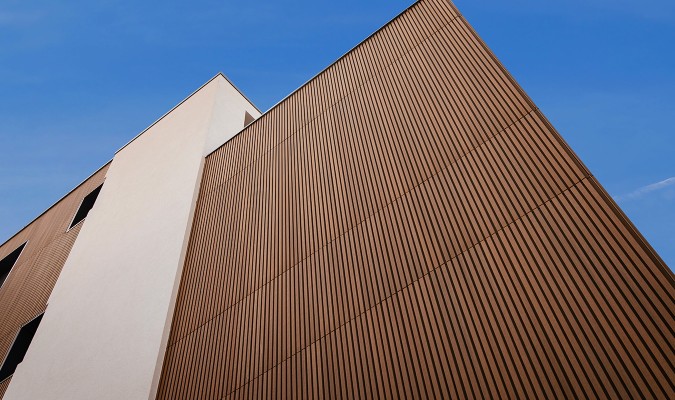
In a context shaped by increasing regulatory pressure, the rise of energy-efficient renovation, and growing client expectations, architects must now navigate between multiple solutions — natural wood, wood-look aluminum, technical panels, and next-generation composites.
But behind this apparent diversity, one reality stands out: not all materials are equal… and not all deliver the same architectural impact.
A Market in Transformation: Renovation as the Driving Force
The cladding market is undergoing a profound transformation, largely driven by renovation.
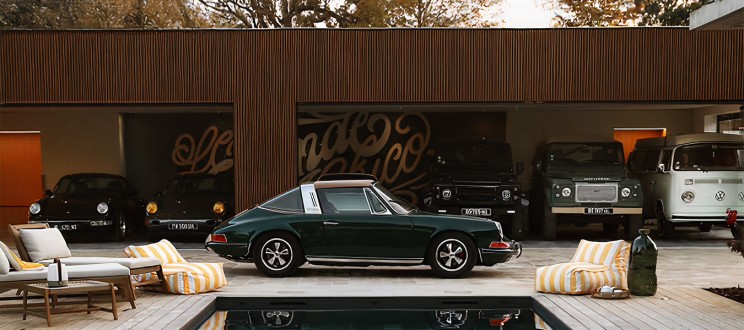
the majority of projects involve existing buildings external thermal insulation (ETICS) is becoming standard clients are seeking solutions that are both high-performing and value-enhancing
In this context, cladding plays a key role at the intersection of two major challenges: 👉 improving energy performance 👉 transforming the building’s image
This dual function makes it a high-return investment, far beyond its technical dimension.
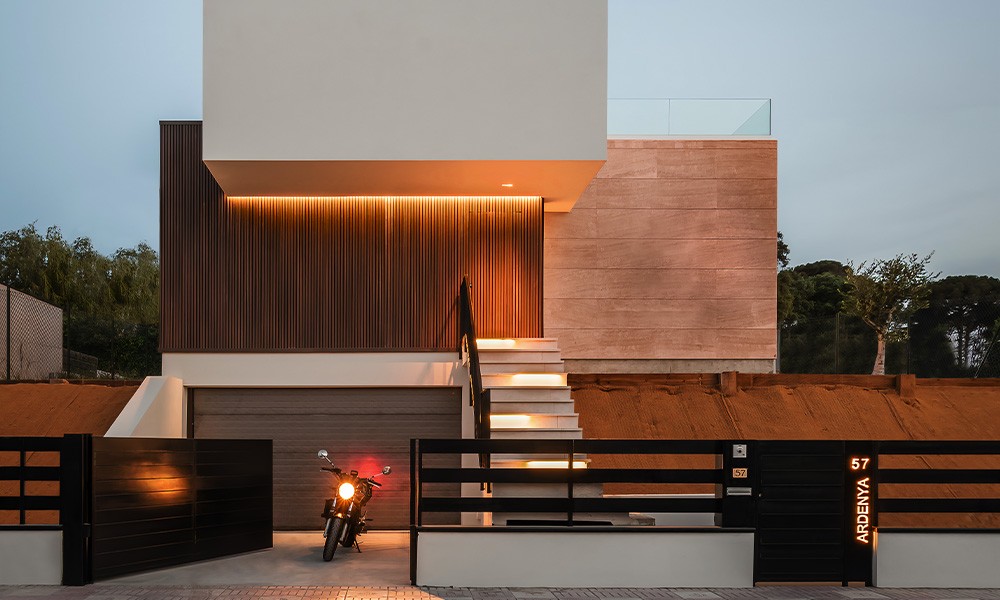
The Real Challenge: Making Smart Material Trade-offs
The range of available solutions has expanded significantly in recent years. But with this richness comes increased complexity.
Three major families of solutions currently structure the market.
1. Natural Wood: A Benchmark… with Constraints
Natural wood remains a strong signature in contemporary architecture. It embodies authenticity, materiality, and a sense of life.
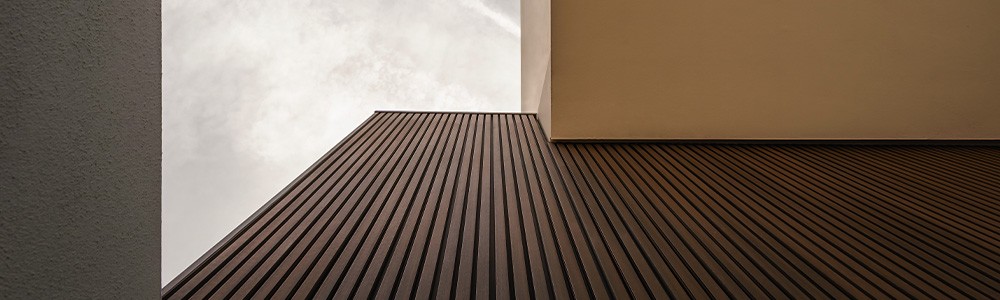
However, its use requires trade-offs:
regular maintenance sometimes uneven aging sensitivity to climatic conditions
It remains relevant in certain contexts, but its use is becoming more specialized.
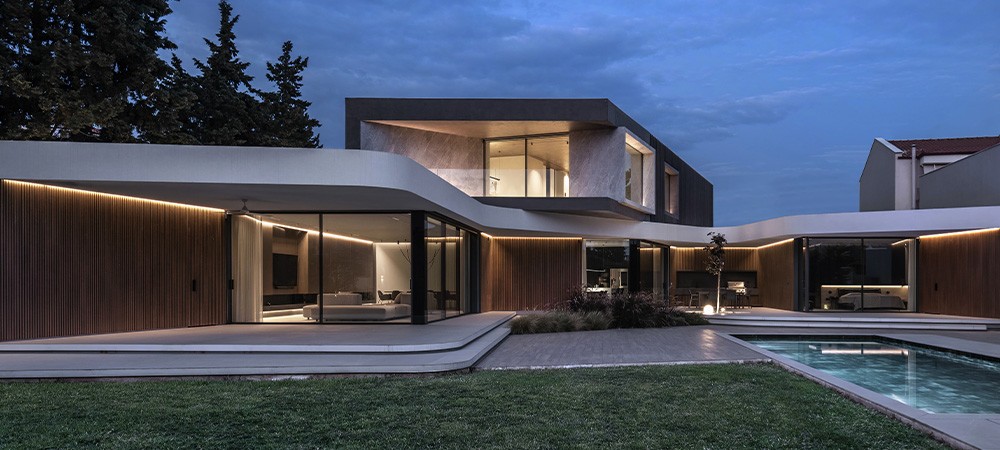
2. Wood-Look Aluminum: The Industrial Logic
These solutions have gained market share thanks to their promise:
durability stability low maintenance
But at the architectural scale, their limitations quickly appear:
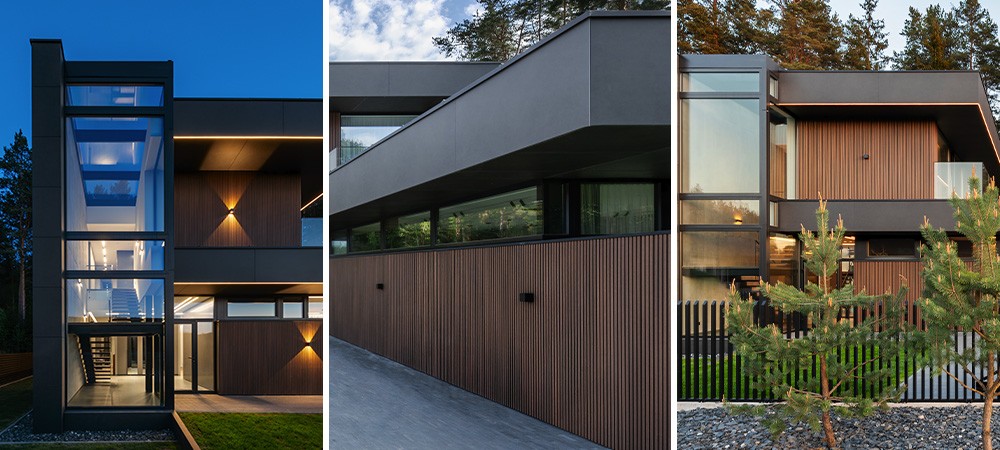
often uniform visual rendering lack of depth repetitive textures
The result is technically reliable, but often emotionally neutral.
3. Next-Generation Composite Wood: The Sought-After Balance
Composite wood is now emerging as the most dynamic solution in the market.
Why? Because it simultaneously addresses several key expectations:
aesthetics close to natural wood high durability greater design freedom
But above all, it enables what architects are increasingly seeking:
👉 to create living façades, with relief, rhythm, and depth
The Return of Relief: Toward More Expressive Architecture
A strong trend is emerging: the façade is once again becoming a space for architectural expression.
Architects are no longer just “cladding” a building. They aim to:
structure volumes play with light create a dynamic reading
In this approach, material choice becomes decisive.
Wood and composite cladding systems allow:
variations in profiles natural shadow play rich textures
By contrast, wood-look aluminum solutions struggle to deliver this depth.
👉 The result may be clean and controlled… but often lacks a distinctive signature.
Reintroducing Emotion into Façades
Beyond technical performance, another expectation is growing: rehumanizing buildings.
In a landscape dominated by concrete, glass, and metal, wood-based materials bring:
warmth a more human scale better environmental integration
Cladding becomes a tool of perception. It shapes how a building is experienced, perceived… and ultimately embraced.
This is no longer just about aesthetics. It is about use and experience.
On-Site Reality: A Decisive Criterion
A material that performs well on paper is no longer enough.
Today, architects fully integrate execution constraints:
timelines ease of installation system reliability
Next-generation composite cladding offers:
invisible fixing systems consistent installation quality better control over on-site uncertainties
👉 A key advantage for contractors, and a risk-mitigation factor for the project.
A Direct Impact on Project Value
The choice of cladding directly influences the overall value of a building.
A poor choice can:
negatively impact perception generate maintenance costs limit durability
Conversely, a well-considered cladding solution can:
differentiate the project enhance performance increase perceived value
In some cases, it even becomes a signature element.
What Clients Are Really Looking For
Expectations are now converging toward a clear balance:
strong aesthetic impact long-term durability little to no maintenance environmental consistency technically reliable solutions
This is precisely where composite solutions are gaining ground.
Conclusion: Choosing a Material… or Creating Value
The cladding market has never been so rich. But this abundance makes the choice more strategic than ever.
Natural wood remains a benchmark, but with constraints Wood-look aluminum follows an industrial logic, but lacks depth Composite wood represents today a point of balance between aesthetics, performance, and durability
For architects, the question is no longer simply: “Which material should we choose?”
But rather: 👉 “Which material will create the most value for the project over time?”
Cladding is no longer just a covering. It is an architectural signature.